admin
admin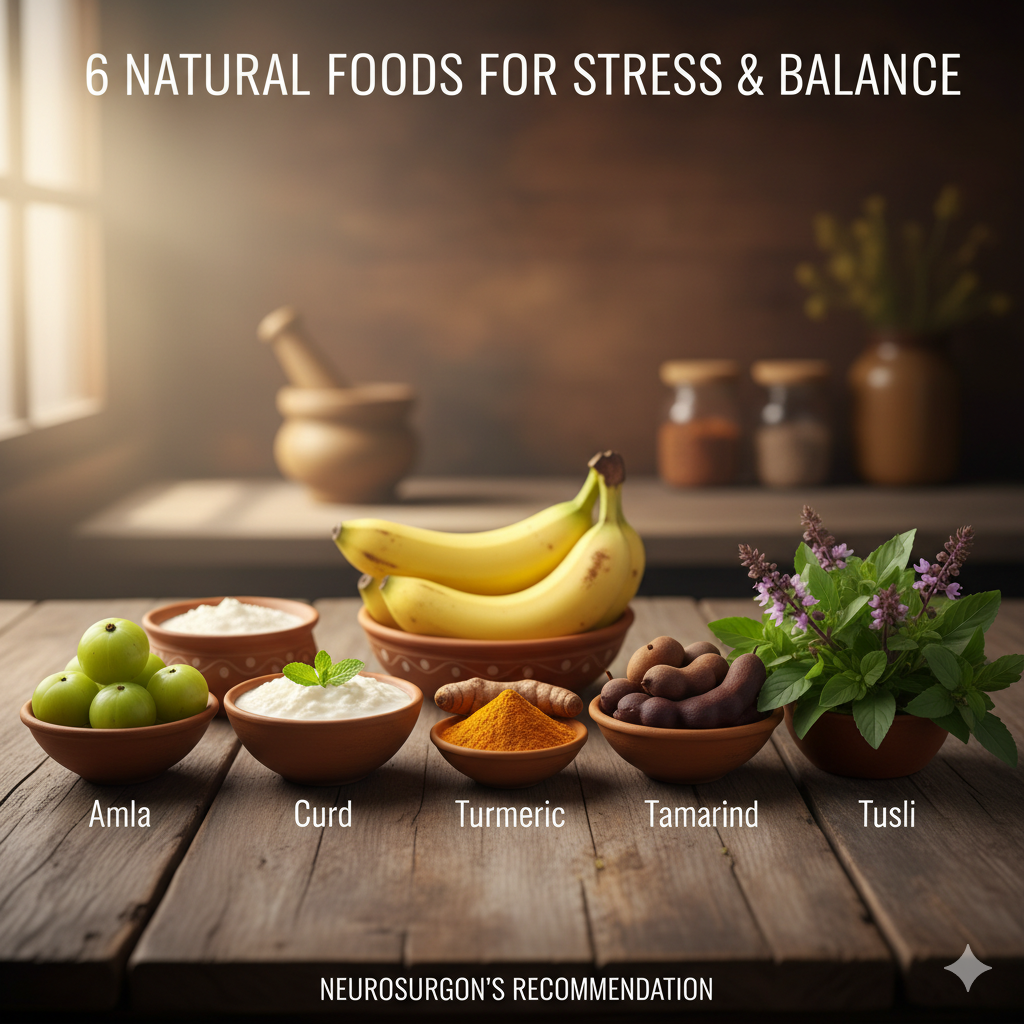
Drawing on decades of medical experience, a neurosurgeon suggests incorporating several common foods into your daily diet to help your body naturally manage stress and maintain physiological and psychological equilibrium. These foods are highlighted for their powerful components that benefit the connection between your gut and your mind.
Here are the six essential food items recommended for their restorative properties:
1. Amla (Indian Gooseberry)
Amla is a nutritional powerhouse, prized for its high concentration of Vitamin C. This crucial vitamin plays a significant role in neuroprotection, shielding nerve cells from oxidative stress. It is also vital for regulating the synthesis and release of key brain chemicals, or neurotransmitters, such as serotonin and catecholamines, which influence mood and stress response.
2. Curd (Dahi)
As a natural source of probiotics, curd promotes a healthy gut microbiome, which is strongly linked to mental well-being (the gut-brain axis). Beyond its digestive benefits, the antioxidants and proteins present in curd can help reduce systemic inflammation and assist in the production of collagen.
3. Banana
Bananas offer an excellent combination of Potassium and Vitamin B6. Potassium is essential for cardiovascular health and maintaining healthy blood pressure levels. Meanwhile, Vitamin B6 is suggested to play a therapeutic role in alleviating symptoms associated with anxiety and various mood disorders.
4. Turmeric
The potent yellow spice, turmeric, contains a primary active compound called Curcumin. This compound is renowned for its strong anti-inflammatory characteristics. By combating inflammation, curcumin can contribute to the management of various chronic health conditions throughout the body.
5. Tamarind
Tamarind is recognized for its beneficial effects on gut health. Historically, it has been used in traditional medicine for its soothing properties, helping to address issues like inflammation and digestive discomfort, thereby supporting a balanced internal system.
6. Tulsi (Holy Basil)
Tulsi is classified as an adaptogen, meaning it helps the body adapt to and cope with stress. Regular consumption of this herb is associated with several systemic health improvements, including the potential to lower blood sugar levels, reduce LDL (“bad”) cholesterol, minimize overall inflammation, and aid in blood pressure regulation.