admin
admin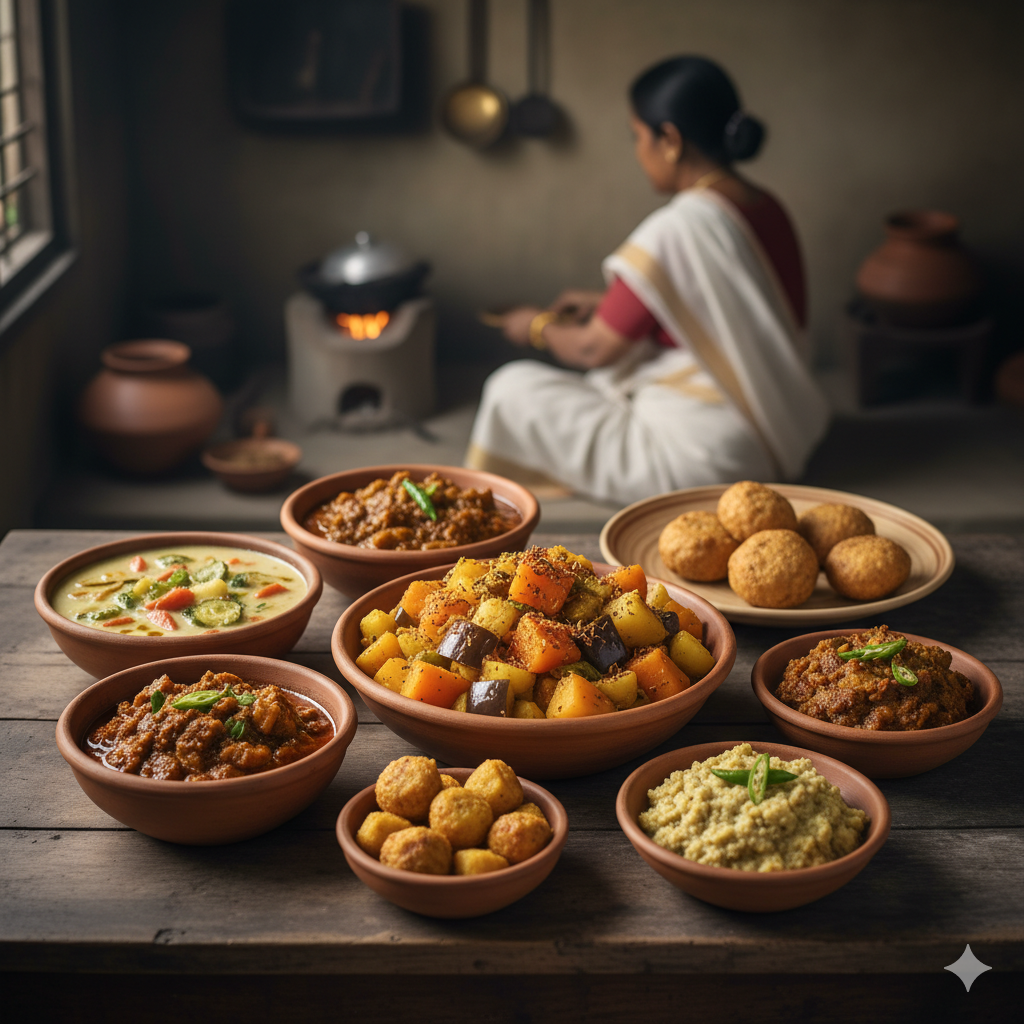
The vibrant and diverse culinary landscape of Bengal owes a significant debt to a period of history marked by adversity and strict social norms. Many of the region’s most cherished vegetarian dishes are the product of the extraordinary ingenuity of Bengali widows, who were forced to operate within a severely restricted diet. These culinary limitations, born out of regressive traditions, ultimately fostered a wave of innovation that permanently enriched the mainstream Bengali kitchen.
The Doctrine of Austerity
For centuries, societal practices imposed a starkly ascetic lifestyle on Bengali widows. Beyond requiring them to wear simple white clothing and forgo most adornments, they were subject to stringent dietary rules intended to suppress appetite and desire.
The core restrictions included:
- No Non-Vegetarian Food: Complete prohibition on fish, meat, and eggs.
- Austerity in Spices: Crucially, “heating” ingredients like onion and garlic were forbidden. Even masoor dal (red lentils) was often excluded, sometimes due to an old belief linking it to non-vegetarian consumption.
- Simple Preparations: Meals had to be sattvik (pure and wholesome), excluding chili or excessive spices.
Confined to cooking simple, separate meals with minimal ingredients, these women were forced to become masters of flavor extraction and resourceful cooking. This necessity became the mother of some of Bengali cuisine’s most distinct vegetarian delicacies.
Ingredients and Innovation
The restrictive ingredient list mandated a focus on seasonal, readily available vegetables and select aromatics. The widows pioneered the use of:
- Panch Phoron (Five-Spice Blend): This blend of fenugreek, nigella seed (kalonji), cumin seed, black mustard seed, and fennel seed became essential for adding depth without onion or garlic.
- Poppy Seeds (Posto): The creation of dishes like Alu Posto (potatoes cooked in a thick poppy seed paste) became iconic. The creamy texture and nutty flavor of the posto base added richness in the absence of animal fats.
- Bori: Sun-dried lentil dumplings (bori) were innovated to introduce protein and a crucial textural crunch to simple vegetable curries (dalna) and sautéed dishes.
- Mustard Oil & Ginger: These provided the necessary pungency and heat in place of forbidden ingredients.
This inventive use of limited resources also led to the “waste-not-want-not” philosophy. Simple vegetable scraps and peels, once discarded, were transformed into flavorful sides. Examples include Alur Khosha Bhaja (crispy fried potato peels) and using the stems of gourds or cauliflower to make vegetable mixes (chorchori).
Delicacies That Define Bengali Cuisine
The resourceful cooking of Bengali widows gave rise to staple vegetarian dishes now found on nearly every traditional Bengali platter:
These dishes, born from a period of austerity, represent an enduring legacy of resilience and culinary brilliance. They prove that true culinary art is often found not in the abundance of ingredients, but in the creativity required to elevate the few available.