admin
admin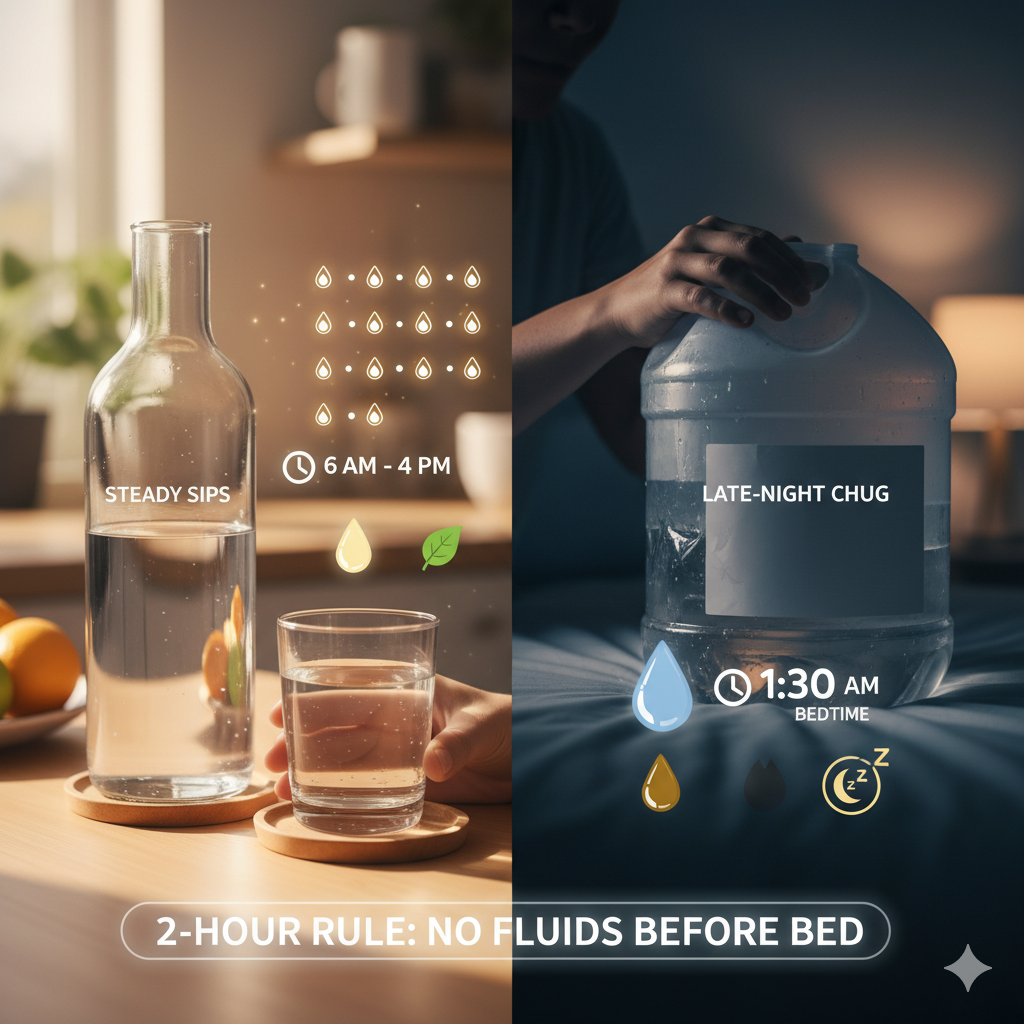
Maintaining healthy kidney function is critical, and surprisingly, it’s not just about how much water you drink, but when you drink it. Your kidneys, the body’s filtering system, operate most efficiently with a consistent, steady supply of fluid, rather than being overwhelmed by large volumes consumed rapidly.
The Problem with “Chugging”
Drinking a large amount of water all at once, particularly right before bed, can put unnecessary strain on your kidneys. This sudden influx forces them to work overtime, resulting in a large volume of dilute urine. Furthermore, a late-night water chug is a primary cause of nocturia—the need to wake up frequently to urinate—which disrupts sleep and negatively impacts overall health.
By contrast, spaced, moderate sips throughout the day ensure a continuous, gentle flow of fluid. This steady hydration helps the kidneys effectively filter waste, maintain proper blood volume, and is crucial for preventing the crystallization of salts and minerals that form kidney stones.
Key Strategies for Hydration Timing
To support optimal kidney function and preserve sleep, focus on front-loading your fluid intake and following these timing guidelines:
| Time of Day | Recommended Action | Why It Helps |
| Upon Waking | Drink 250–300 ml (a standard cup). | Rehydrates your body after the overnight fast and jumpstarts kidney filtration for the day. |
| With/Between Meals | Drink 150–250 ml every 60–90 minutes. | Aids digestion and ensures a continuous flow of fluid, which is vital for flushing out waste products and reducing the risk of stone formation. |
| During Exercise/Heat | Sip water (150–350 ml) every 20–30 minutes. | Replaces fluid lost through sweat gradually, protecting electrolyte balance. |
| The “Two-Hour Rule” | Stop all regular fluid intake two hours before your planned bedtime. | Minimizes urine production while you sleep, significantly reducing the chance of waking up for bathroom trips (nocturia). |
Evening Hydration Tips: Aim to consume 60-70% of your daily water total before 4:00 PM. Also, avoid diuretics like caffeine and alcohol in the late evening, as they increase urine output.
How to Monitor Your Hydration Status
The best indicator of whether you’re drinking the right amount of water is simple:
- Urine Color: Your goal is pale yellow urine. Dark yellow indicates dehydration, while completely crystal-clear urine (if persistent) may signal over-hydration, which, in extreme cases, can lead to a dangerous condition called hyponatremia (low blood sodium).
- Urination Frequency: A typical healthy pattern is 5 to 7 daytime bathroom visits.
A Note on Medical Conditions
While these general guidelines promote kidney health, individuals with certain medical conditions must personalize their hydration plan. If you have Chronic Kidney Disease (CKD), heart failure, advanced liver disease, or take diuretic medications, you must consult a healthcare professional for an individualized fluid intake schedule.