admin
admin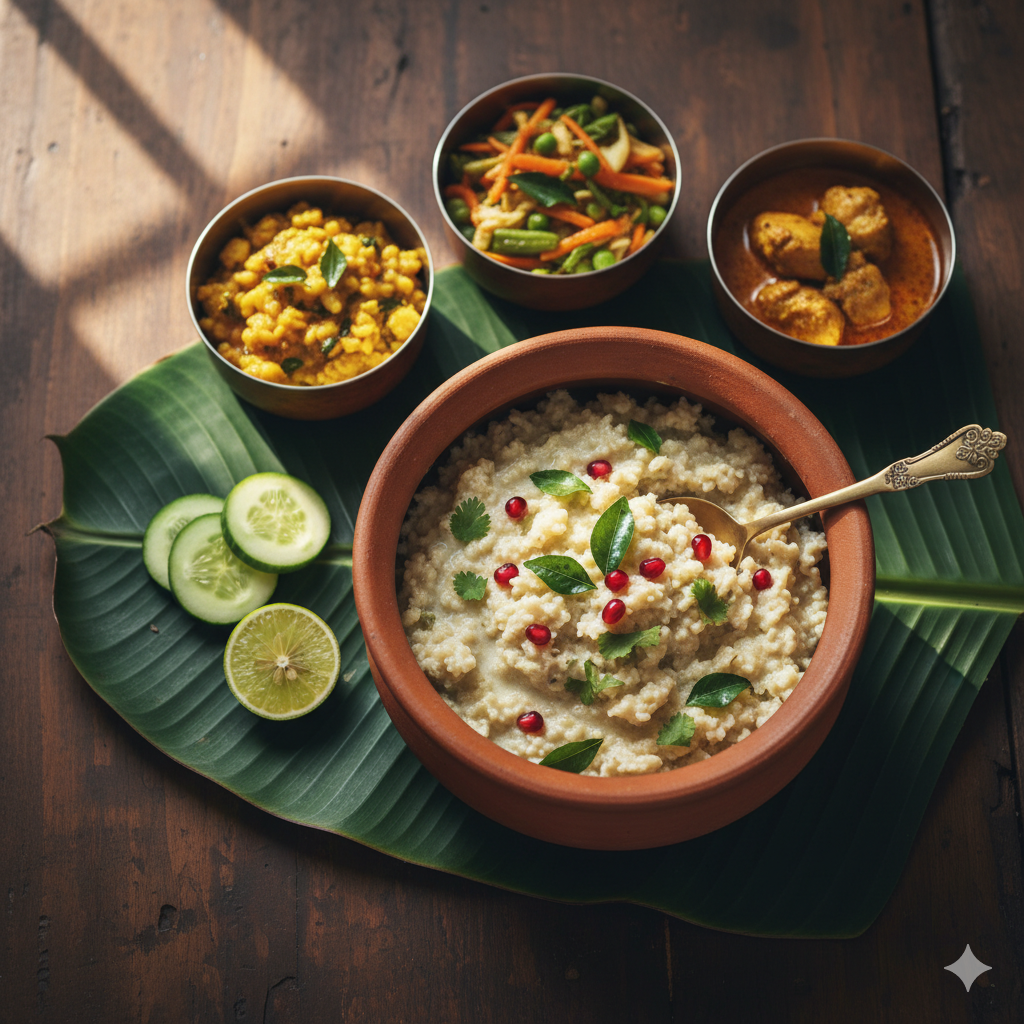
When consumed as part of a balanced diet, curd rice, particularly the fermented variety, provides several positive effects on the body:
- Gut Health: It acts as a probiotic, helping to regulate and maintain healthy gut bacteria and digestive function.
- Cooling Effect: It is naturally cooling, making it a comfortable meal, especially in hot climates, and can help reduce issues like acidity.
- Nutrient Source: It provides a good source of nutrients like calcium, protein, and healthy fats from the curd.
⚠️ The Danger of Over-Reliance (Three Meals a Day)
A diet consisting solely of fermented curd rice for every meal over several months can lead to significant health complications due to nutrient deficiencies and potential digestive upsets.
1. Risk of Nutrient Gaps
The primary concern with this repetitive diet is the lack of nutritional diversity. While curd rice is nutritious, it cannot provide everything your body needs. Relying on it exclusively can lead to a shortage of:
- Protein Diversity: This can result in fatigue, hair loss, and potentially muscle loss over time.
- Essential Vitamins and Fiber: The absence of diverse vegetables, whole grains, and legumes will deplete the body of necessary vitamins and dietary fiber, leading to sluggishness and compromised immunity.
- Healthy Fats: A lack of varied fat sources is detrimental to overall health and energy levels.
2. Digestive and Safety Concerns
Although fermented, overnight curd rice is generally safe, consuming large quantities of it daily requires strict storage practices:
- Over-Fermentation: If the rice is not refrigerated properly, particularly in warm weather, it can become overly fermented and potentially unsafe due to the growth of harmful bacteria.
- Gut Imbalance: Eating overly-fermented food repeatedly can sometimes upset the delicate gut balance, ironically leading to issues like bloating or increased acidity.
✅ The Balanced Approach: How to Eat It Right
Fermented curd rice is best enjoyed as an occasional, refreshing meal, or as a component of a larger, balanced diet. To make it a more complete and beneficial meal, dietitians recommend:
- Add Protein: Pair it with a source of protein like lentils (dal), pulses, or a lightly spiced curry.
- Boost Fiber and Vitamins: Mix in colorful, fresh vegetables such as grated carrot, cucumber, or pomegranate seeds.
- Focus on Freshness: For maximum probiotic benefits and safety, it is always better to consume freshly made curd rice or ensure that any overnight preparation has been stored correctly in the refrigerator.