admin
admin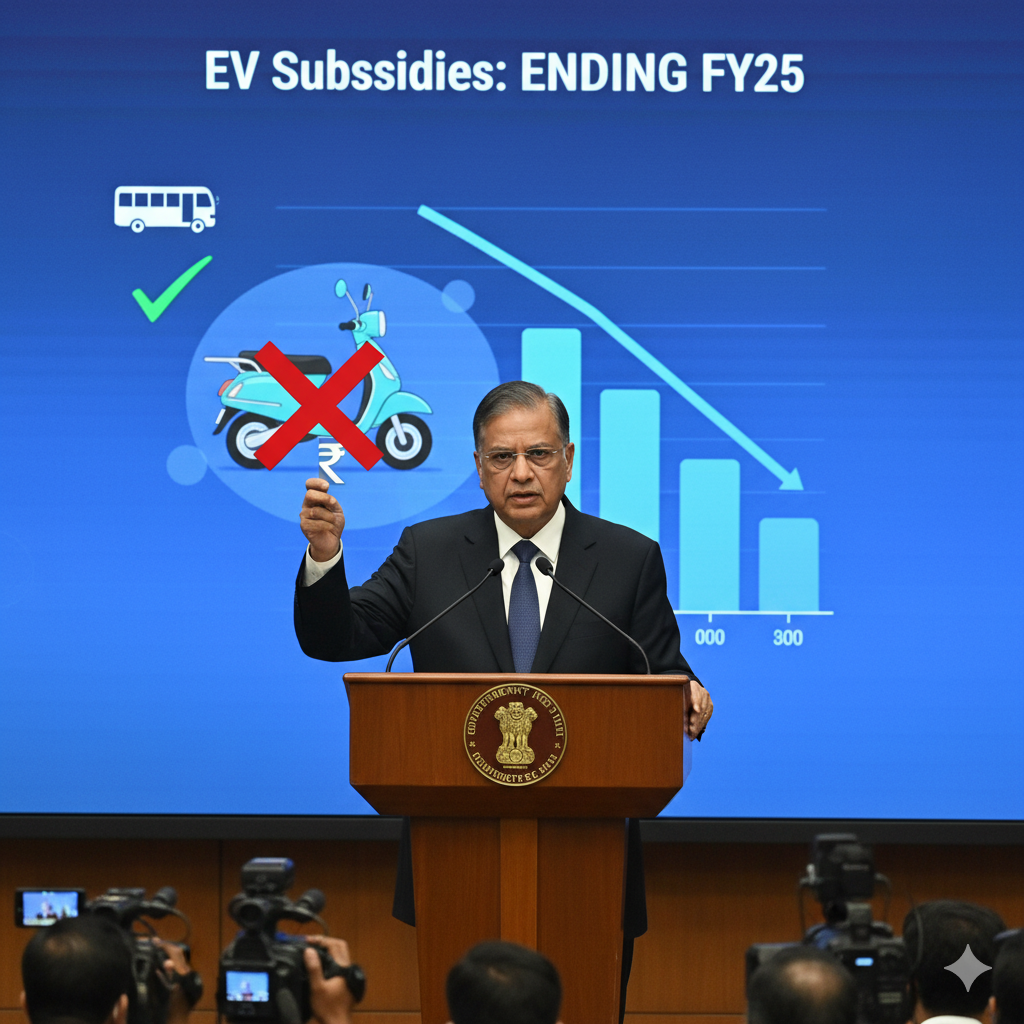
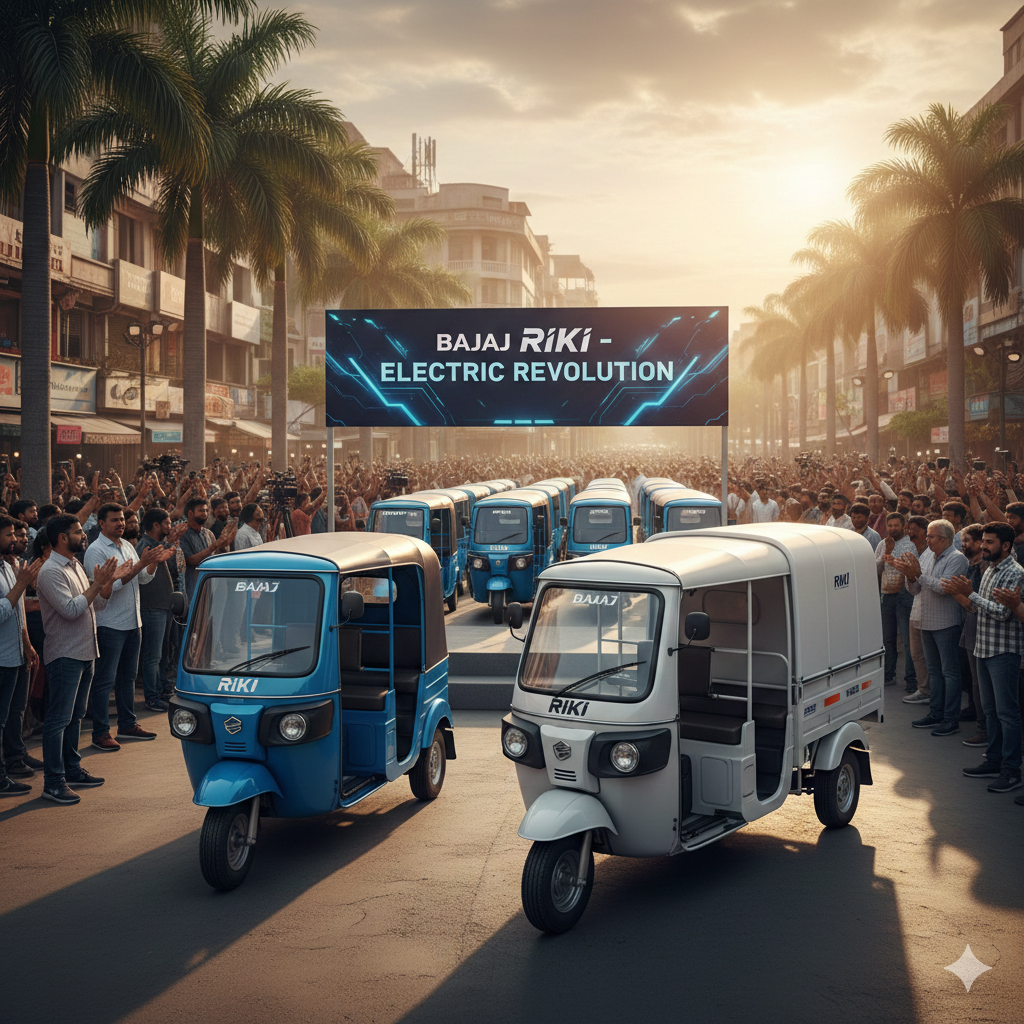
The Indian government has decided not to extend purchase subsidies for electric two-wheelers (e2w) and electric three-wheelers (e3w) past the end of the current fiscal year (FY25). This decision marks a significant shift in government policy aimed at pushing these segments toward market self-sustainability.
Key Policy Decisions
- Subsidy End Date: The purchase subsidy scheme, previously implemented under various programs, is scheduled to conclude for e2w and e3w, although support for electric buses and trucks will continue.
- Rationale for E3W: A senior government official indicated that the e3w segment has already achieved approximately 32% market penetration, a level considered sufficient for an industry to become self-sustaining without financial incentives (typically thought to be around 25-30%). The existing budget for e3w subsidies is expected to be depleted in the near future.
- E2W Status: Despite the penetration of electric two-wheelers remaining below double digits, officials have confirmed that the scheme is not planned for extension beyond the current cut-off, which has a subsidy capped at ₹5,000 per vehicle.
- No ICE Disincentives: The government has also currently ruled out the introduction of mandates for EV adoption or imposing disincentives for internal combustion engine (ICE) vehicles.
Contrast with Expert Views
This move comes despite calls for continued financial support and policy intervention.
- NITI Aayog Recommendation: A report from the policy think tank NITI Aayog suggested that while incentives have played a role (noting over ₹40,000 crore spent over a decade leading to 7.6% annual EV sales), the focus should now shift to regulatory mandates to accelerate the transition. NITI Aayog suggests a stricter policy to help meet the national target of achieving 30% EV penetration by 2030, a goal considered difficult to meet at the current pace.
- Industry and Parliamentary Concerns: Electric vehicle manufacturers (OEMs) and a parliamentary panel have previously advocated for the continuation or even increase of purchase incentives. The panel had also recommended that electric four-wheelers be re-included in the subsidy regime to help ensure the ambitious 2030 target is met.