admin
admin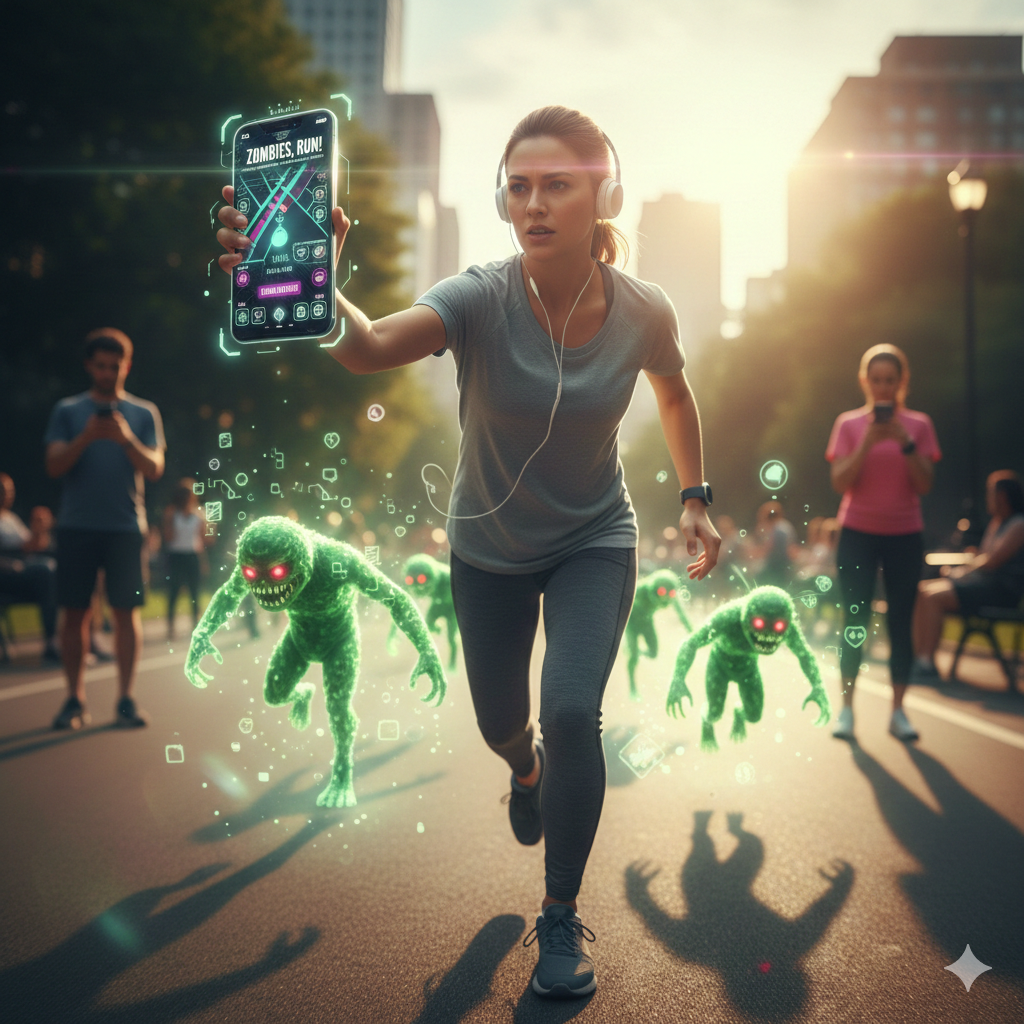
What is Fitness Gaming?
Fitness gaming, often referred to as exergaming or Active Video Games (AVG), is a rapidly expanding genre that strategically merges physical exercise with the engaging mechanics of video games. Unlike traditional video games that typically encourage sedentary behavior, fitness games demand physical movement from the player to advance, interact, or succeed within the digital environment.
This innovative approach has become a popular pathway for smartphone users to integrate physical activity into their daily lives. By transforming the repetitive nature of a workout into a dynamic, goal-oriented experience, it capitalizes on the excitement of gaming—challenges, rewards, levels, and narrative—to deliver tangible health benefits.
How Your Smartphone Becomes Your Fitness Coach
The integration of exergaming with mobile technology is made possible by the powerful sensors already built into modern smartphones.
Sensor and GPS Integration: Mobile fitness games utilize the phone’s suite of internal hardware, including:
- Accelerometers and Gyroscopes to detect and quantify movement, such as steps, speed, and overall activity intensity.
- GPS (Global Positioning System) to track the user’s location, mapping real-world movements directly onto the game world.
Augmented Reality (AR): Many popular applications leverage Augmented Reality, using the smartphone’s camera to overlay virtual game elements onto the user’s real-world environment. This turns a simple walk or run in a local park into an immersive quest or exploration challenge.
The combination of these technologies allows apps to provide real-time feedback on performance, monitor metrics like step count and posture, and personalize workout intensity, effectively giving players a trainer in their pocket.
Key Benefits of Gamified Exercise
For many, particularly those who struggle with motivation for traditional workouts, gamified fitness offers significant advantages:
- Increased Engagement: The core gaming loop—the drive to unlock achievements, beat personal records, and progress through levels—provides powerful intrinsic motivation, encouraging users to return to exercise repeatedly.
- Accessibility and Convenience: Since the only required equipment is a smartphone, users can participate in fitness gaming anytime and anywhere, easily fitting exercise into a busy schedule without needing a gym membership or specialized gear.
- Social Motivation: Many apps incorporate social features, allowing users to connect, team up with friends, join group challenges, or compete against a global community. This social connectivity fosters accountability and friendly competition.
- Stress Reduction: Like all physical activity, fitness gaming helps alleviate symptoms of stress, anxiety, and depression. The added element of engagement and focus on game goals can serve as a potent distraction from daily worries.
- Customization: These platforms are often adaptable to various ages and fitness levels, offering personalized plans that scale with the user’s progress.
Popular Examples of Exergaming
The concept is best understood through its most well-known applications:
- Pokémon GO: This foundational AR game encourages players to explore their real-world surroundings to find and catch virtual Pokémon. Its design inherently promotes walking and outdoor activity.
- Zombies, Run!: An immersive audio adventure where players are cast as survivors in a zombie apocalypse. The game plays through headphones, directing the user to run faster during “chase” sequences to escape the virtual horde and collect vital supplies for their in-game community.