admin
admin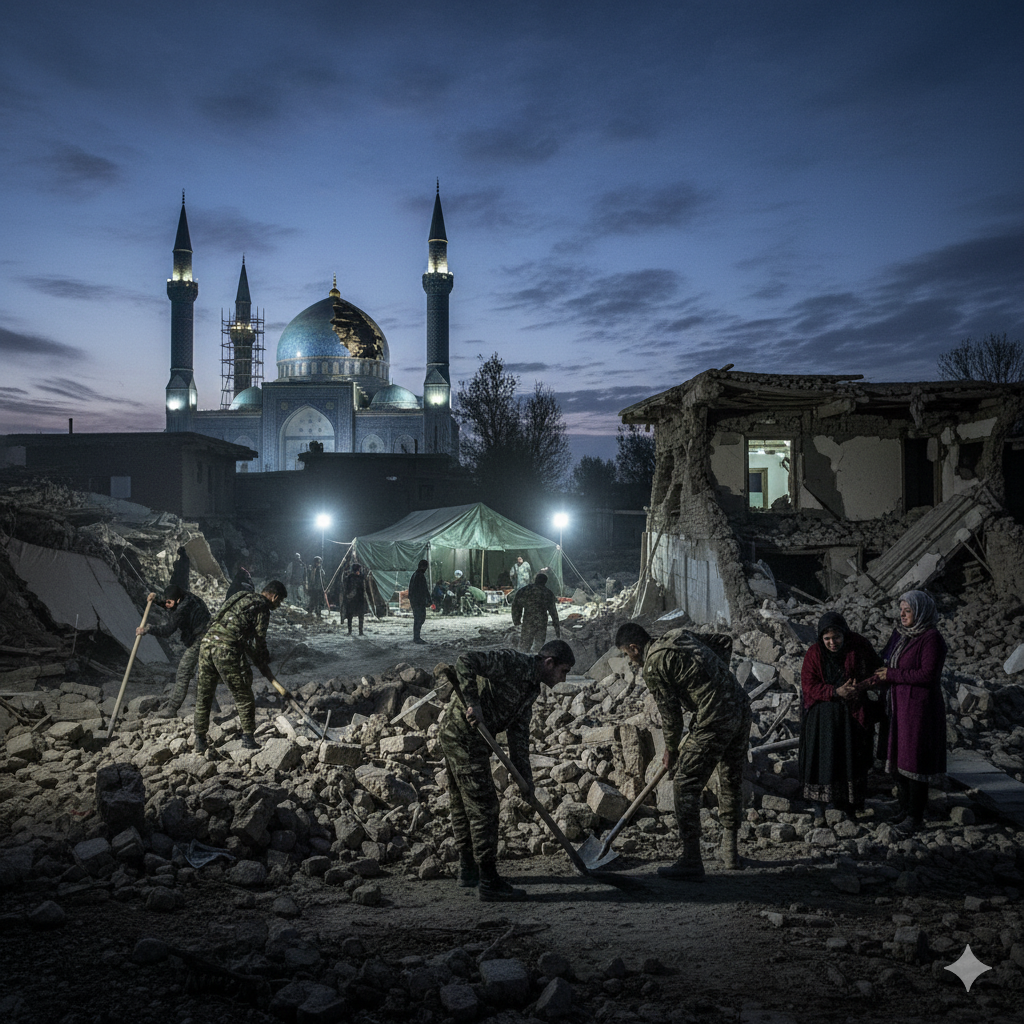
A powerful 6.3 magnitude earthquake struck northern Afghanistan early Monday morning, resulting in a minimum of 20 fatalities and more than 320 injuries, according to preliminary figures from health officials. Rescuers are continuing to assess the damage in affected areas, and authorities fear the final casualty count could rise.
Details of the Seismic Event
The earthquake was recorded at 12:59 a.m. local time with its epicenter located approximately 22 kilometers (14 miles) west-southwest of the town of Khulm, close to the large northern city of Mazar-e-Sharif. The seismic activity occurred at a relatively shallow depth of 28 kilometers (17 miles).
The provinces of Balkh and Samangan sustained the worst of the damage. In addition to the loss of life, the quake caused structural harm in the region. Reports indicate that the historic Blue Mosque in Mazar-e-Sharif, a major 15th-century landmark, suffered some damage.
Response and Context
In the wake of the disaster, the Ministry of Defence mobilized rescue and emergency aid teams to the provinces most severely impacted. The United Nations and other aid agencies have also stepped in to assess the needs of the affected communities and deliver urgent assistance.
This latest powerful tremor underscores Afghanistan’s extreme vulnerability to seismic events. The country sits along the volatile boundary where the Indian and Eurasian tectonic plates meet, particularly in the mountainous Hindu Kush region. This vulnerability has led to several recent tragedies, including a 6.0-magnitude quake in August 2025 that killed over 2,200 people, and a 6.3-magnitude quake in October 2023 that claimed thousands of lives.