admin
admin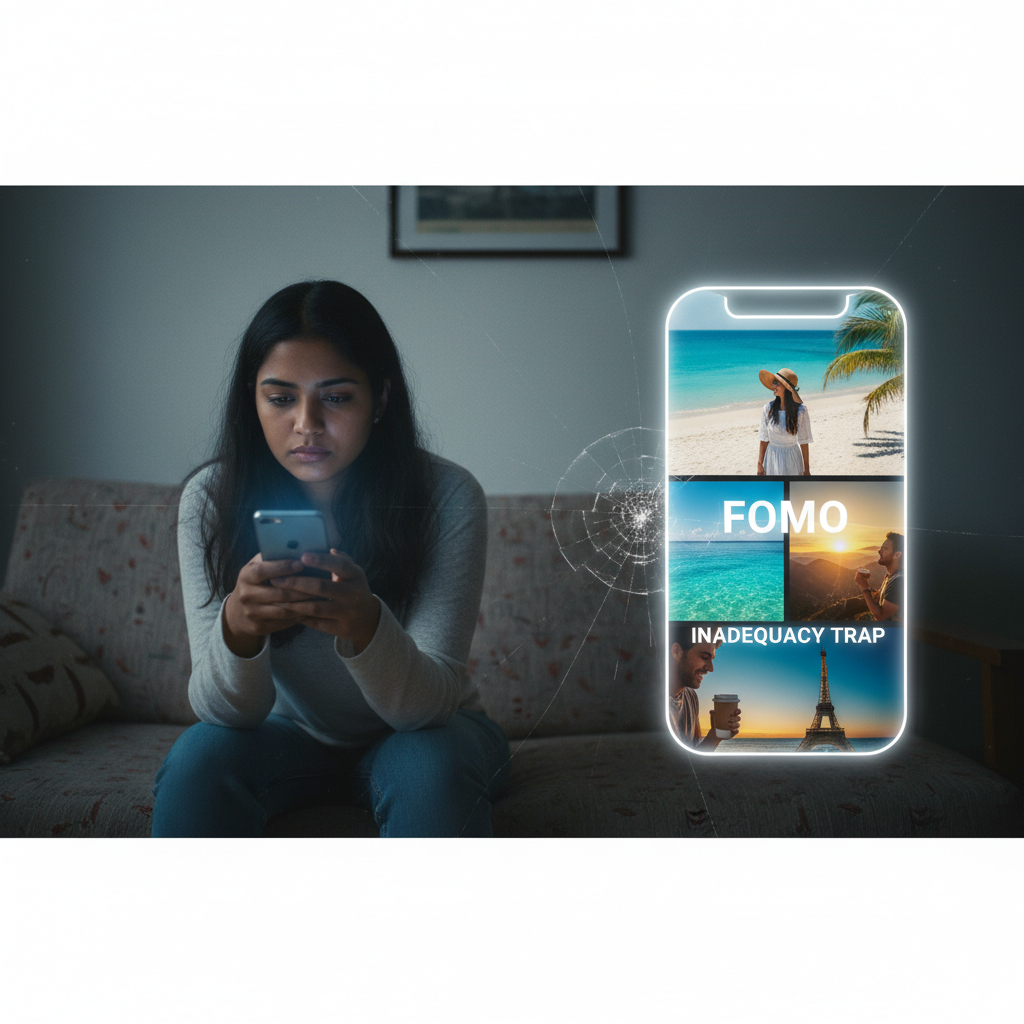
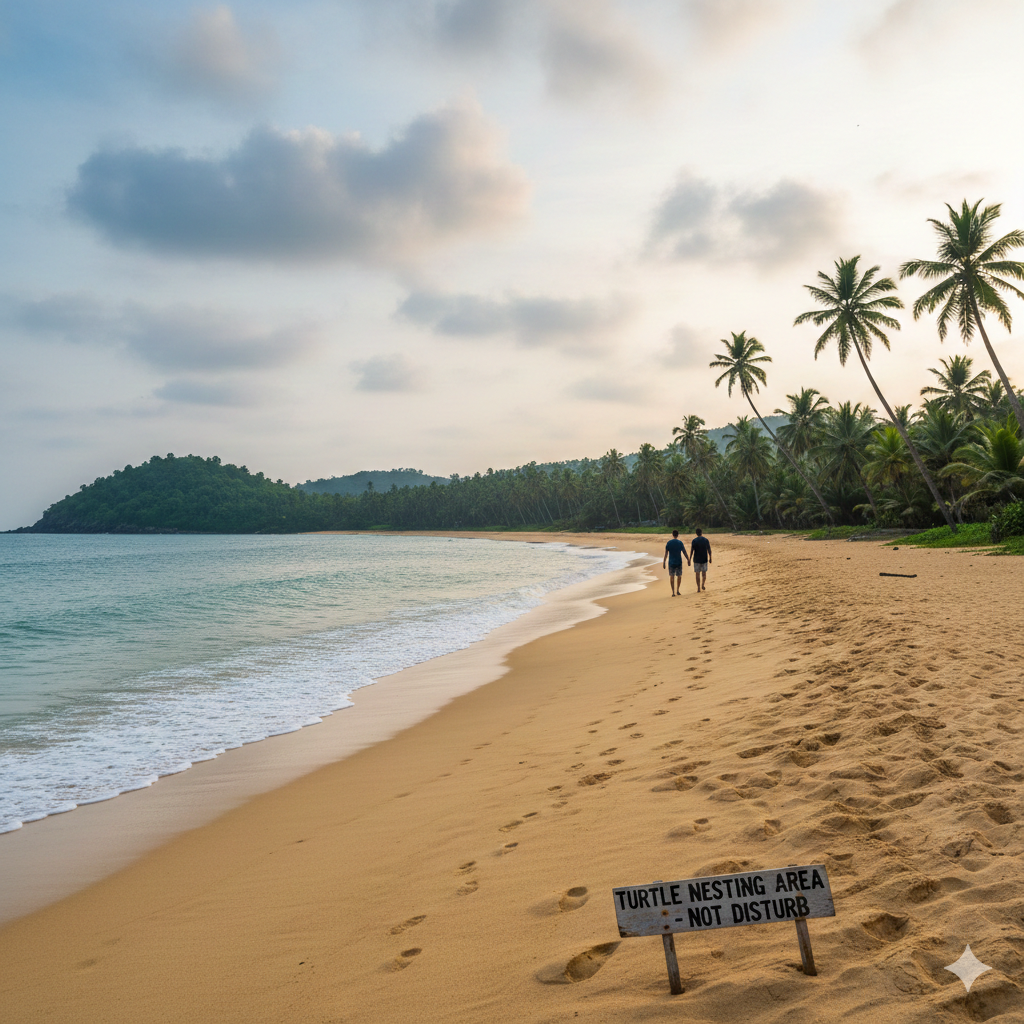
In the age of perfectly filtered sunsets and aesthetically curated vacation grids, the act of traveling has shifted from a personal pursuit of discovery to a public performance of leisure. For many, this has led to a growing sense of anxiety and inadequacy, a phenomenon sometimes referred to as Travel Dysmorphia.
While not a formal medical diagnosis, the term describes the emotional distress and self-criticism a person feels when comparing their own travel experiences (or lack thereof) to the idealized, high-frequency adventures shared by peers and influencers online. It mirrors the feeling of Body Dysmorphia in its core emotional blueprint: a constant sense of not measuring up to an external, manufactured ideal.
The Algorithm’s Grip on Your Bucket List
Social media platforms are the primary engine fueling this insecurity. Their algorithms prioritize aspirational and visually stunning content, creating an endless, inescapable stream of #wanderlust. This pressure is pervasive:
- FOMO Intensifies: The constant feed of exotic locales and must-see destinations leads to a sharp Fear of Missing Out (FOMO).
- The Inadequacy Trap: One survey found that a significant portion of the population feels dissatisfied with how much they’ve traveled, with friends’ holiday posts and influencer content cited as major triggers, particularly among younger generations.
- A Measure of Self-Worth: Experts note that the mindset shifts from “Do I genuinely want to experience this?” to “Will this look good and be liked online?” This constant chase for external validation replaces authentic preference, tying self-worth to visible, trending experiences.
The result is a culture where travel is no longer a rejuvenating hobby but a trend to keep up with. People may feel genuine embarrassment or a sense of being “behind in life” simply because their passport isn’t as stamped or their photo feed isn’t as vibrant as others’.
Redefining Authentic Travel
The original intent of travel is to offer a break, an opportunity for rejuvenation, self-discovery, or simply enjoyment. When the pursuit of the perfect, Instagram-worthy shot overshadows the actual experience, travel becomes counterproductive to mental well-being.
To counteract the effects of digital comparison, it’s essential to re-center your perspective:
- Focus on Internal Value: Acknowledge that the memories, personal growth, and feelings of euphoria you gain from a trip are infinitely more valuable than the aesthetics you curate for others.
- Research Authentically: While drawing inspiration from social media isn’t inherently bad, ensure your travel decisions are based on your own genuine interests and research, not just what’s trending or viral.
- Separate Experience from Performance: Enjoy the trip in the moment. The goal is not to perform a vacation for an online audience, but to embrace the unexpected, the imperfect, and the uniquely personal journey.
In an age defined by the urge to “keep up,” true mental peace lies in recognizing that your travel experiences do not require external validation to be meaningful.